The Ultimate Guide To Mizuna Companion Planting
The Ultimate Guide to Mizuna Companion Planting
Mizuna is a fast-growing, leafy green that is a member of the mustard family. It is a cool-season crop that can be grown in a variety of climates. Mizuna is a versatile vegetable that can be eaten raw, cooked, or pickled. It is also a good source of vitamins A and C.
One of the best ways to improve the growth and productivity of your mizuna plants is to practice companion planting. Companion planting is the practice of planting certain types of plants together in order to benefit each other. There are a number of different companion plants that can be beneficial for mizuna, including:
- Carrots: Carrots help to repel pests that can damage mizuna plants, such as aphids and cabbage worms. They also help to improve the soil quality, which can benefit mizuna's growth.

- Lettuce: Lettuce and mizuna can be planted together because they have similar growing requirements. They both need full sun and well-drained soil. Lettuce can also help to shade the mizuna plants, which can help to protect them from the sun's harsh rays.
- Celery: Celery can help to repel pests that can damage mizuna plants, such as slugs and snails. It can also help to improve the soil quality, which can benefit mizuna's growth.
- Onion: Onions can help to repel pests that can damage mizuna plants, such as aphids and cabbage worms. They can also help to improve the soil quality, which can benefit mizuna's growth.

- Corn: Corn can provide shade for mizuna plants, which can help to protect them from the sun's harsh rays. Corn can also help to attract beneficial insects, such as ladybugs and lacewings, which can help to control pests.
- Peas: Peas can help to improve the soil quality, which can benefit mizuna's growth. They can also help to attract nitrogen-fixing bacteria, which can further improve the soil quality.


In addition to the companion plants listed above, there are a number of other plants that can be beneficial for mizuna. Some of these other plants include:
- Basil: Basil can help to repel pests that can damage mizuna plants, such as aphids and mosquitoes. It can also help to improve the flavor of mizuna.
- Cucumbers: Cucumbers can help to attract beneficial insects, such as ladybugs and lacewings, which can help to control pests. They can also help to improve the soil quality, which can benefit mizuna's growth.

- Dill: Dill can help to repel pests that can damage mizuna plants, such as aphids and cabbage worms. It can also help to improve the flavor of mizuna.

- Kale: Kale can help to attract beneficial insects, such as ladybugs and lacewings, which can help to control pests. It can also help to improve the soil quality, which can benefit mizuna's growth.

- Spinach: Spinach can help to repel pests that can damage mizuna plants, such as aphids and cabbage worms. It can also help to improve the soil quality, which can benefit mizuna's growth.


When companion planting mizuna, it is important to keep a few things in mind. First, it is important to choose plants that have similar growing requirements. Second, it is important to choose plants that will not compete with each other for nutrients or water. Third, it is important to choose plants that will not cross-pollinate with each other.
By following these tips, you can use companion planting to improve the growth and productivity of your mizuna plants.
Mizuna is a fast-growing, leafy green vegetable that is related to mustard greens. It is a member of the Brassica family, which means that it can benefit from companion planting. Companion planting is a gardening technique that involves planting different types of plants together to improve their growth and health.
Some good companion plants for mizuna include:
- Carrots: Carrots help to repel pests that can damage mizuna, such as aphids and cabbage moths.
- Lettuce: Lettuce and mizuna can be planted together because they have similar growing requirements. They both need full sun and well-drained soil.
- Cucumbers: Cucumbers help to attract beneficial insects that can help to control pests in the mizuna crop.
- Dill: Dill helps to repel pests and diseases that can damage mizuna. It also helps to improve the flavor of the mizuna leaves.
- Spinach: Spinach and mizuna can be planted together because they have similar growing requirements. They both need full sun and well-drained soil.
For more information about mizuna companion plants, please visit Gardenia Inspiration. This website provides a comprehensive guide to companion planting, including information on the benefits of companion planting and a list of compatible plant pairings.
FAQ of mizuna companion plants
- What are good companion plants for mizuna?
- Mizuna can be grown with a variety of other plants, but some of its best companions include bush beans, lettuce, cucumber, carrots, dill, spinach, onions, potatoes, and most herbs. These plants help to deter pests and diseases, and they can also improve the flavor and productivity of mizuna.
- What plants should I avoid planting near mizuna?
- Mizuna should not be planted near members of the cabbage family, such as broccoli, Brussels sprouts, cauliflower, and kale. These plants are susceptible to the same pests and diseases, and planting them together can increase the risk of infection.
- How much space does mizuna need?
- Mizuna needs about 8 to 10 inches (20-25 cm) of space between plants. This allows them to grow properly and prevents them from competing for nutrients and sunlight.
- What are some tips for growing mizuna companion plants?
- When planting mizuna with other companion plants, try to group them together so that they can benefit from each other's presence. For example, plant mizuna with bush beans to deter pests, or plant it with lettuce to improve the flavor of both plants.
- Keep an eye on your plants for signs of pests or diseases. If you see any problems, take steps to address them immediately.
- Water your mizuna regularly, especially during hot weather.
- Harvest mizuna when the leaves are young and tender. This will encourage the plant to produce more leaves.
- What are some benefits of growing mizuna companion plants?
- Companion planting can help to deter pests and diseases.
- It can improve the flavor and productivity of your plants.
- It can help to conserve space in your garden.
- It can make your garden more attractive and interesting.
Image of mizuna companion plants
5 different images of "mizuna companion plants" from Pinterest:
- Image 1: A row of mizuna plants growing in a garden, with bush beans, lettuce, and carrots planted nearby.

- Image 2: A close-up of mizuna plants growing next to dill plants.

- Image 3: A patch of mizuna plants growing in a container with spinach plants.
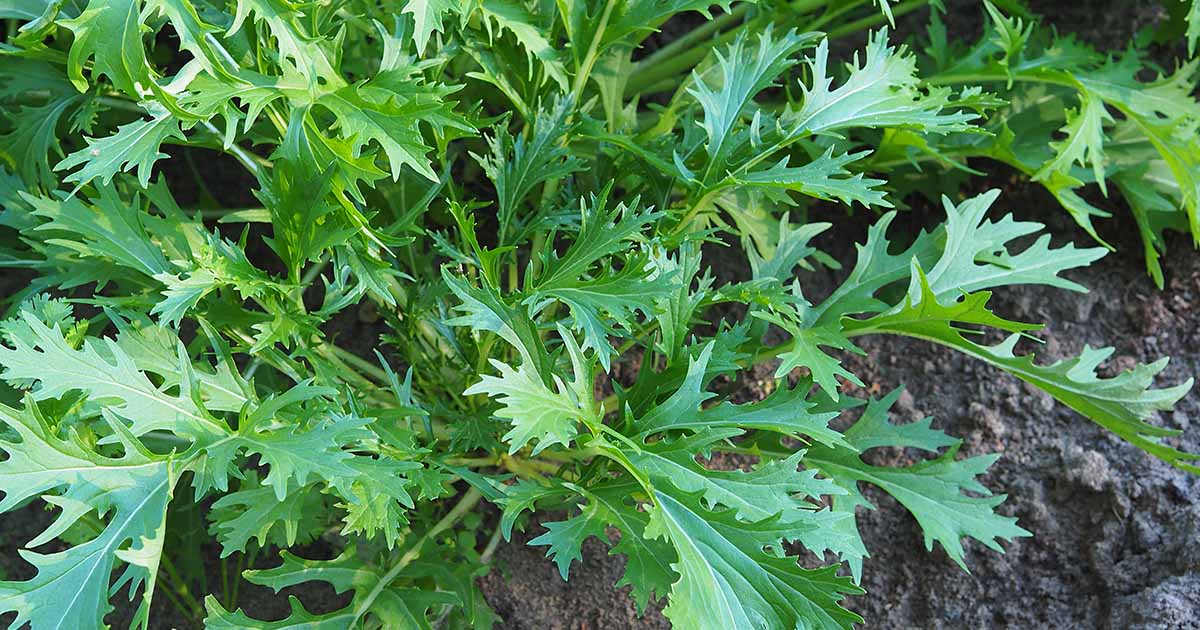
- Image 4: A bed of mizuna plants growing with onions and potatoes.

- Image 5: A cluster of mizuna plants growing with herbs such as basil, oregano, and thyme.

Post a Comment for "The Ultimate Guide To Mizuna Companion Planting"